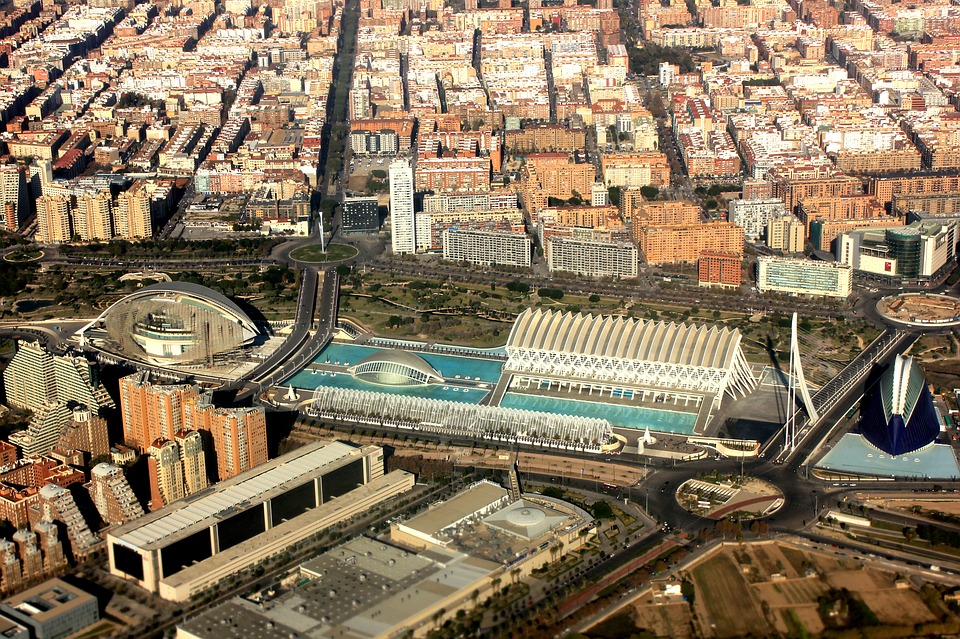
Most visitors to Valencia follow the same loop: the City of Arts and Sciences, a paella by the beach, a quick look at the Cathedral. All worth doing. But Spain’s third-largest city has a quieter side that many travellers miss, from a water court that has met every Thursday for a thousand years to Roman ruins hidden under a glass pool.
If you are travelling with a camera, photography is a whole topic of its own in Valencia. A local photographer has put together a detailed guide to the most photogenic corners of Valencia, with the best light for each spot. This list is about something else: places to explore, eat and understand the city a little better.

1. The Water Tribunal at the Cathedral
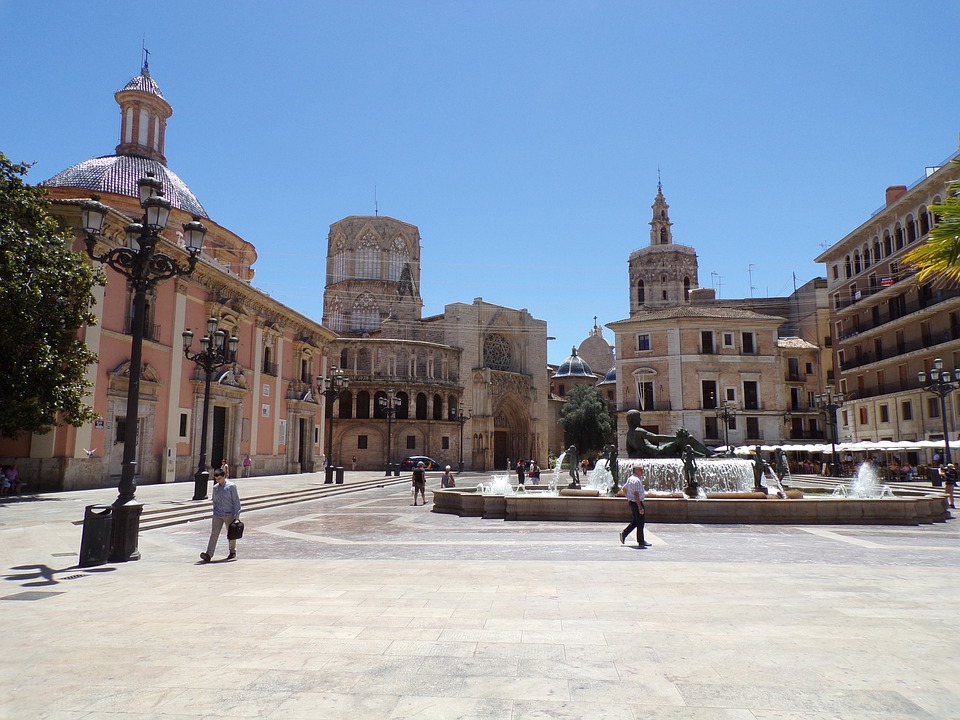
Every Thursday at noon, eight farmers in black smocks sit outside the Apostles’ Door of the Cathedral and settle disputes over irrigation water. The Tribunal de las Aguas is considered one of the oldest courts in Europe and is listed by UNESCO as intangible heritage. It lasts only a few minutes, so arrive a little early.
2. Alboraya and Port Saplaya
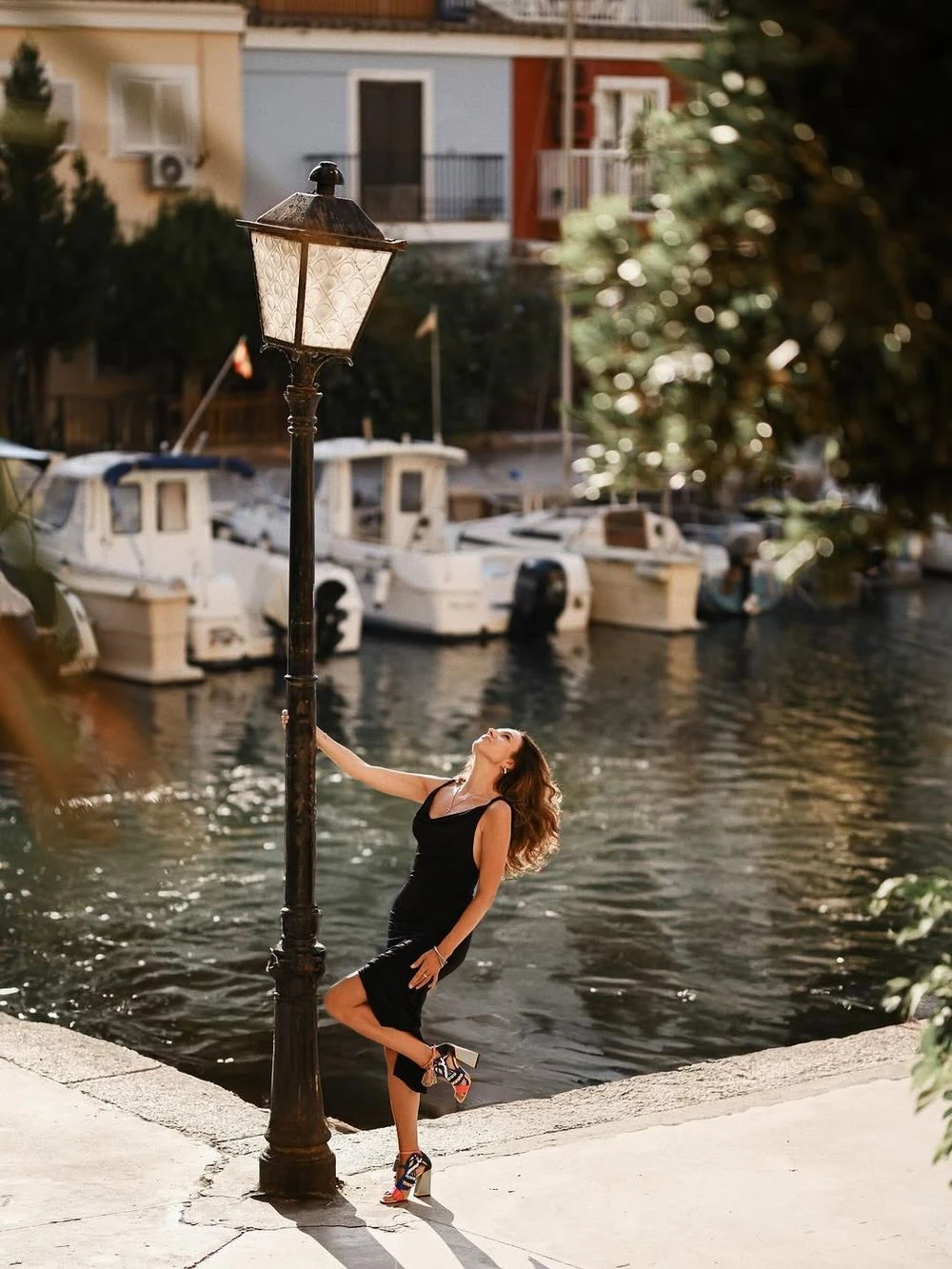
Just north of the city, Alboraya is the home of horchata, the cold drink made from tiger nuts. Have a glass at one of the traditional horchaterías, then walk to Port Saplaya, a 1970s marina where colourful houses face inner canals full of boats. Locals call it “Little Venice”.
3. L’Almoina Archaeological Centre
Right behind the Cathedral there is a square with a shallow pool of water. Look down through it and you will see the ruins below: Roman baths, streets and the remains of the early city. The museum underneath shows how Valencia grew layer by layer, from the Roman foundation to the medieval town.
4. Torres de Quart
Everyone visits the Torres de Serranos, but fewer people walk to the other surviving medieval gate on the west side of the old town. Look closely at the stone and you will see marks left by cannonballs during the French siege of 1808. You can climb to the top for a view over the rooftops.
5. El Cabanyal
The old fishermen’s quarter between the port and the beach is one of the most characterful neighbourhoods in the city. Low houses covered in colourful tiles line straight streets running towards the sea. It has changed a lot in recent years, with new cafés and small restaurants, but it still feels very Valencian.
Tip: the covered market of El Cabanyal is a good place for a quick, local lunch.
6. Russafa
South of the centre, Russafa is where Valencians go for brunch, vintage shops and late dinners. Start at the Russafa market in the morning, then wander the streets around Calle Sueca and Calle Cádiz, where every second door is a small bar, bookshop or gallery.
7. Mercado de Colón
Not to be confused with the busier Mercado Central, the Mercado de Colón is a modernist market building from 1916 with tiled decoration and iron arches. Today it is full of cafés and restaurants. Order an horchata with fartons, the soft sugary pastries locals dip into it.
8. Bombas Gens
In the Marxalenes district, a former 1930s factory that once made hydraulic pumps has been turned into a contemporary art centre. The building alone, with its art deco facade, is worth the walk, and the exhibitions are usually small enough to see in an hour.
9. The Gulliver Park in the Turia
After a flood in 1957, the city diverted the river and turned the old riverbed into a 9 km park. Most people just cycle through it, but families should stop at the Gulliver: a giant figure lying on the ground that kids (and adults) can climb all over, with slides built into his clothes and hair.
10. Spanish Civil War Air-Raid Shelters
During the Civil War, Valencia was the capital of the Republic for a time and was heavily bombed. Several air-raid shelters survive under the city, and some can be visited with a guide. It is a short but powerful visit that most tourists never hear about.
11. El Palmar and the Albufera
About 25 minutes south, the Albufera is a large freshwater lagoon surrounded by rice fields. This is where paella was born. Go to the village of El Palmar for lunch (the rice dishes here are the real thing), then take a short ride on a traditional flat-bottomed boat across the lagoon.
Tip: in summer there is very little shade and the mosquitoes are serious, so spring and autumn are the best seasons.

12. Sagunto
A 30-minute train ride north takes you to Sagunto, a town with a Roman theatre and a long hilltop castle that has seen Iberians, Romans, Moors and Christians. Walking along the castle walls, with views over the orange groves to the sea, feels like a different trip altogether.
Practical Tips for Exploring Valencia Off the Beaten Track
- Get a bike. Valencia is flat and has a good network of bike lanes, including the whole Turia park.
- Use the train and tram for Sagunto, the beaches and Alboraya. Rent a car or take a taxi for the Albufera.
- Eat late. Lunch usually starts around 2pm and dinner after 9pm.
- Avoid August if you can. It is hot, and many small local businesses close for holidays.
- Visit in spring or autumn. The weather is mild and the city is less crowded.
Final Thoughts
Valencia rewards travellers who slow down. Beyond the futuristic buildings and the famous paella, there is a thousand-year-old water court, Roman streets under your feet and quiet neighbourhoods where life still moves at a local pace. Pick a few of these hidden gems, mix them with the classics, and you will leave with a much fuller picture of the city.