
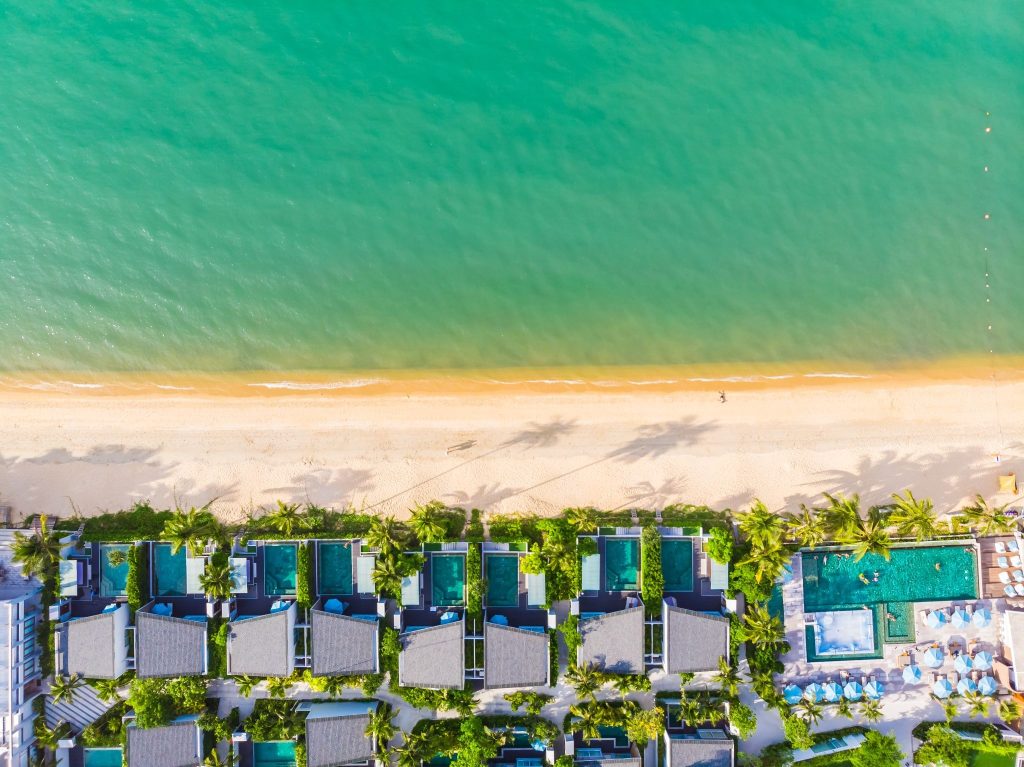
You’ve seen photos of sugar-white sand on Instagram and heard people talk about it the way they talk about the Amalfi Coast. But 30A is not a resort, a city, or a theme park; it’s a road and an understanding that changes how you travel it. Much like the appeal behind hidden gems in Miami, it’s less about ticking off hotspots and more about knowing where to look.
Here’s what first-timers actually need to know before they book.
What 30A Actually Is (and Why the Geography Matters)
30A is a 28.5-mile stretch of Florida State Road 30A in South Walton County, running along the Gulf between Destin and Panama City Beach. Those neighbors define what 30A is: no high-rises, no chain hotels, no strip malls.
The corridor also sits atop a rare coastal dune lake system found in only a handful of places worldwide. That ecological quirk shaped how the area developed.
The Communities Along the Corridor
30A is not one place. It is a series of distinct communities strung along the same road, each with its own character. Knowing the differences before you book matters.
Rosemary Beach
This beach sits at the eastern end of the corridor. It is the most architecturally deliberate community on 30A: cobblestone streets, West Indies-influenced buildings, and a walkable town center built to a European scale. Beach access is private, reserved for residents and guests.
If you want a pedestrian-first community where the design itself is part of the experience, this is it.
Alys Beach
This place is quieter, whiter, and more visually striking than anywhere else on the road. The architecture is Greco-Caribbean: low white walls, courtyard homes, a carefully controlled aesthetic that makes the whole community feel like a single piece of design work.
It rewards slow walking and offers very little nightlife, which is exactly the point.
Seaside
Seaside is the cultural center of 30A. It was designed in the 1980s as a New Urbanist experiment with front porches, walkable blocks, and civic buildings at the center.
It became famous when The Truman Show used it as the fictional town of Seahaven. The film crew left. The farmers market, the Airstream food trucks, and the weekend crowds stayed. If you visit 30A and skip Seaside, you’ll miss the main character.
Watercolor
WaterColor is the practical first choice for many first-timers, and for good reason. It is a resort community with real amenities: multiple pools, lake access, and a beach club located next to one of the most beautiful stretches of the Gulf in the corridor. The infrastructure makes it easy without feeling like a packaged resort.
Seagrove
Seagrove sits directly east of Seaside and is actually the older of the two, developed in the late 1940s, long before the rest of 30A existed. That history shows up in the character: mature tree canopies, a mix of classic beach cottages and newer builds, and streets that run right up to the Gulf.
The practical appeal is simple. You get walkable or bikeable access to Seaside’s restaurants and farmers market without paying Seaside rates, plus some of the easiest beach access on 30A.
Seagrove vacation rentals range from cottages a few blocks off the sand to Gulf-view homes with private pools and golf carts included. Staying inside the community means you step out the door and onto the trail or the beach. Driving in as a day visitor means fighting for parking and missing the quieter mornings that make Seagrove what it is.
Blue Mountain Beach & Dune Allen
Blue Mountain Beach and Dune Allen are the under-the-radar western end of the corridor. Fewer people know to look here, which keeps crowds down.
Blue Mountain sits on one of the highest coastal dune elevations in Florida, which means better views and a slightly different landscape, the kind of place that belongs on any list of remote and overlooked spots in the US. For repeat visitors who have already done the main communities, this is where the corridor gets interesting again.
How Beach Access Works and Why It Affects Where You Stay
Public beach access points exist along 30A, but parking fills early on peak-season mornings. Communities like Rosemary Beach, Alys Beach, and WaterColor have private beach access reserved for residents and their guests.
The difference between a crowded public access point on a Saturday in July and a private community beach that same morning is the difference between two different trips.
Getting Around: Golf Carts, Bikes, and the Trail
Most cars on 30A spend the trip parked. Three options do the work instead:
Timpoochee Trail: A 19-mile paved multi-use path running along most of the corridor, which you can explore on foot or by bike.
Bikes: Rentals are available throughout 30A, and many vacation rental homes already have bikes in the garage.
Golf carts: Legal on 30A and widely used. Many rentals include them or offer them as an add-on.
Why Almost No One Stays in a Hotel
There are almost no hotels on 30A, and that is not an accident. Vacation rentals are not the alternative here; they are the primary accommodation model and have been for decades. You stay inside a community rather than adjacent to it, with a real kitchen, a porch, and a driveway.
When to Go and What Each Season Offers
Below is a breakdown of what each season has to offer you
Summer
One thing to know before visiting such places in America is that summer is the peak season here. Warm water, full beaches, maximum crowds, and the highest prices. Families dominate. If you are coming in July, book months ahead and accept the trade-offs.
Fall
Fall is the local favorite for a reason. Water stays warm well into October, crowds drop sharply after Labor Day, and prices follow. Late September through early November is the corridor at something close to its best.
Winter
Winter is mild and genuinely underrated for the right traveler. Average temperatures stay in the 60s. The corridor does not shut down: the restaurants stay open, the trail stays rideable, and the pace shifts completely. Couples and slow travelers do well here in January and February.
Spring
Spring is the shoulder season until April, when spring break crowds arrive. March through early April hits a sweet spot of decent weather and manageable crowds before the peak rush begins.
How 30A Compares to the Rest of the Panhandle
Destin is larger, louder, and more commercially developed, with chain restaurants, waterfront nightlife, and infrastructure built for high-energy group travel. Panama City Beach takes that further: high-rises, a Spring Break reputation, and an entirely different market.
30A sits apart from both on purpose. No chain hotels, no strip malls, no high-rises on the dune line. If you want a waterpark, the Panhandle has one. If you want a farmers’ market and a Gulf-caught fish dinner, this is the road.
A Road Worth Knowing
30A is a 28-mile coastal corridor that has something most American hidden gems do not: a chance to stay small. The communities are distinct enough that where you stay shapes the entire trip.
The beach access, the trail, the farmers’ markets, and the vacation rental culture all point toward the same thing: a place that rewards slowing down.
Pick the community that fits how you actually travel. The road will sort out the rest.